Hi, I' m Mayank
I build and optimize deep learning models,
from speech & audio systems to real-time production inference.

About
I'm a Data Scientist working across vision, multimodal, and speech. I'm currently at Shiprocket, working on audio models (Voice AI), training speech models.
Before Shiprocket, I was at Vizuara AI Labs, where I worked on fine-tuning vision encoder architectures for high-resolution SAR satellite imagery, aimed at real-time, on-device deployment. Alongside that, I built an agentic video-generation harness that plans, storyboards, codes, renders, and fixes its own failures to produce technical explainer videos end-to-end.
Before that, I worked as an AI Researcher (Audio) at a stealth voice AI startup, where I built low-latency, real-time speech-to-speech pipelines and fine-tuned speech models for region-specific accent generation. Those models are now running in production, serving banks, edtech platforms, and other private-sector clients.
Earlier, I was a Gen AI Intern at Second Brain Labs, where I built an autonomous LLM sales agent with retrieval-backed pipelines and API integrations.
What I enjoy most is audio and inference: post-training, fine-tuning, quantization, and getting speech models to run fast and reliably in production. That's the direction I want to keep building in.
Open Source
I do open source in my free time.
What I build in my free time
Selected Project Work
Speech models, RL environments, and from-scratch implementations.
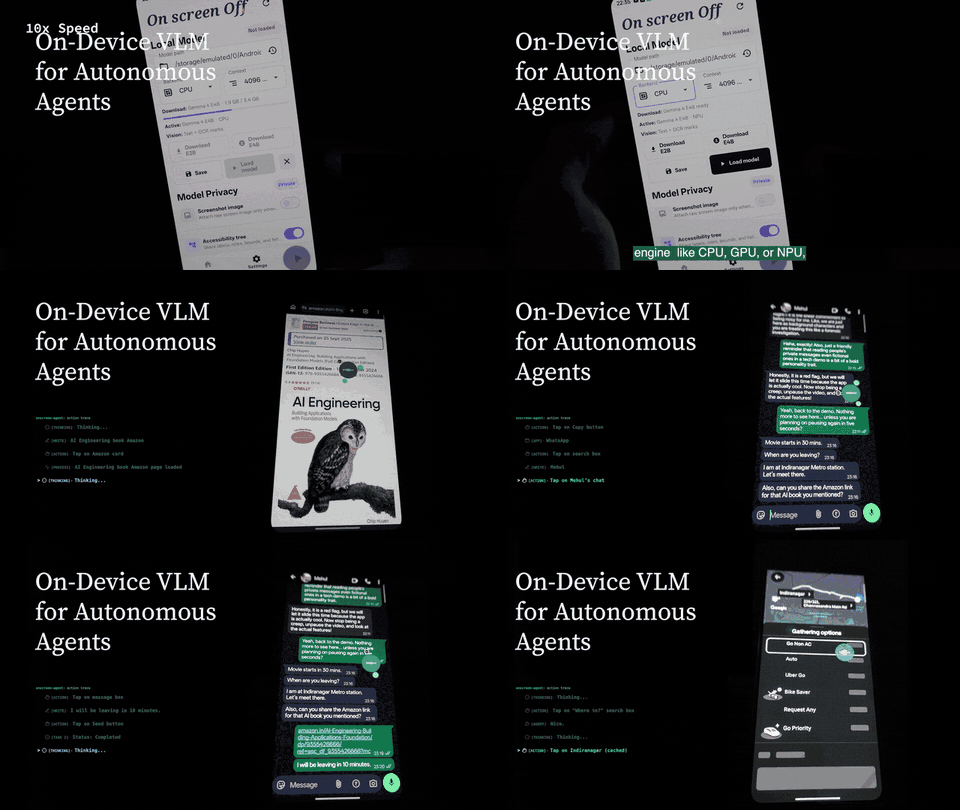
On Screen - Real-Time Autonomous Mobile Agent
Built an Android AI agent that can see the phone screen, understand voice commands, and complete multi-step mobile tasks in real time. The cloud branch uses model APIs for fast autonomous screen control, while the on-device branch explores private local inference with speech-to-text, a vision-language model, and text-to-speech running directly on the phone.
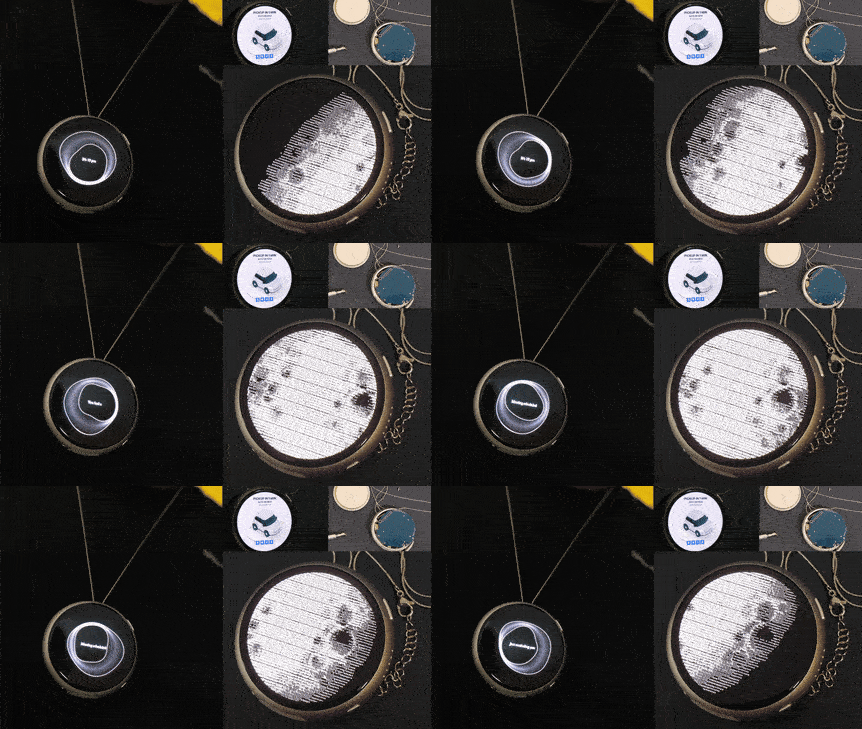
Moon - Voice AI Pendant with On-Device Inference
Built Moon, an open-source touch-to-talk voice AI pendant. The ESP32-S3 runs ESP-IDF firmware for its AMOLED face, mic, and speaker, and streams 16 kHz mono audio to a Flutter and Kotlin Android app over a private BLE GATT service; 24 kHz speech comes back. A mouth-openness byte in each 12-byte packet header lets the face lip-sync against its own playback clock rather than BLE arrival time. Inference stays on the phone: Moonshine STT, Qwen3 GGUF on llama.cpp, and Kokoro ONNX.
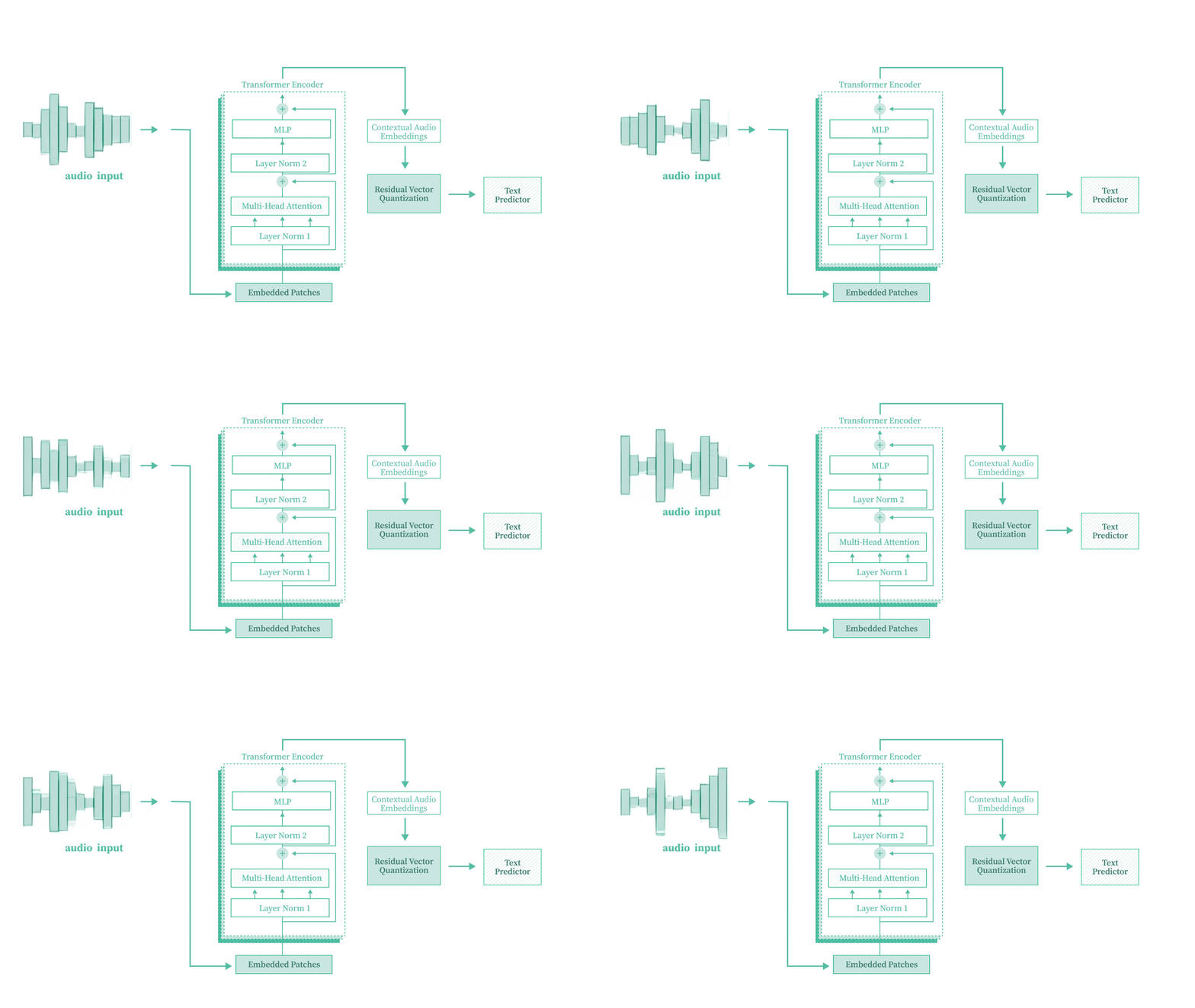
Speech-to-Text Transformer from Scratch
Built a complete Speech-to-Text Transformer model from scratch using PyTorch, converting raw audio waveforms into text without pre-trained models. Implements convolutional downsampling, multi-head self-attention, Residual Vector Quantization (RVQ), and CTC loss for alignment-free training. Trained on the LJSpeech dataset using an A100 GPU.
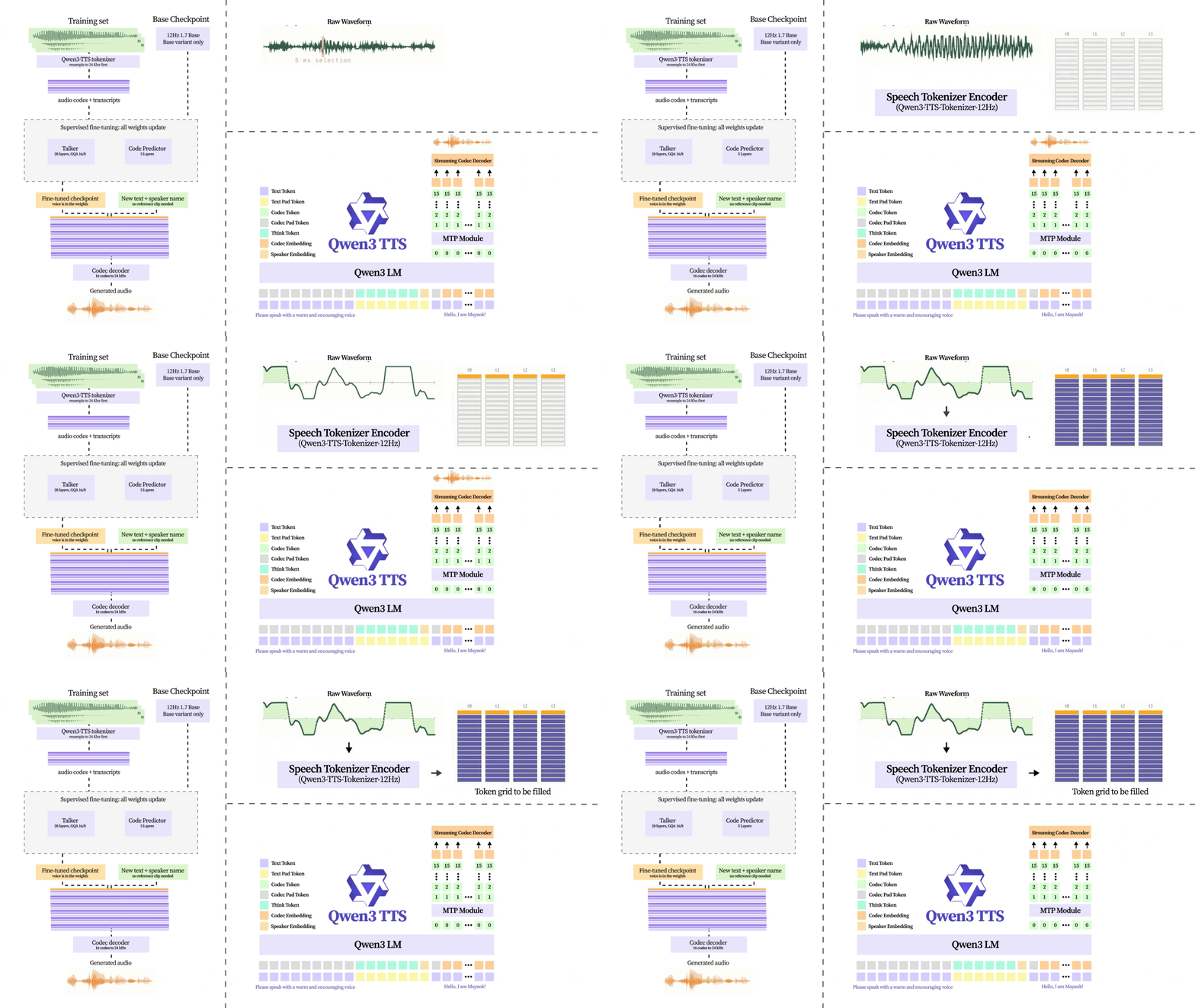
Voice Cloning with Qwen3-TTS
Fine-tuned Qwen3-TTS-12Hz-1.7B-Base on 240 clips of my own voice (61.6 min), scored against Qwen's zero-shot baseline on a 20-clip holdout. Each 80 ms frame becomes 1 semantic plus 15 residual acoustic codes: the Talker predicts the semantic code, the Code Predictor adds detail, Code2Wav reconstructs PCM. One epoch on an RTX 5090 cut WER from 10.07% to 7.64%, but speaker similarity fell from 0.857 to 0.810 and the clone lost 2 of 3 blind listener votes.
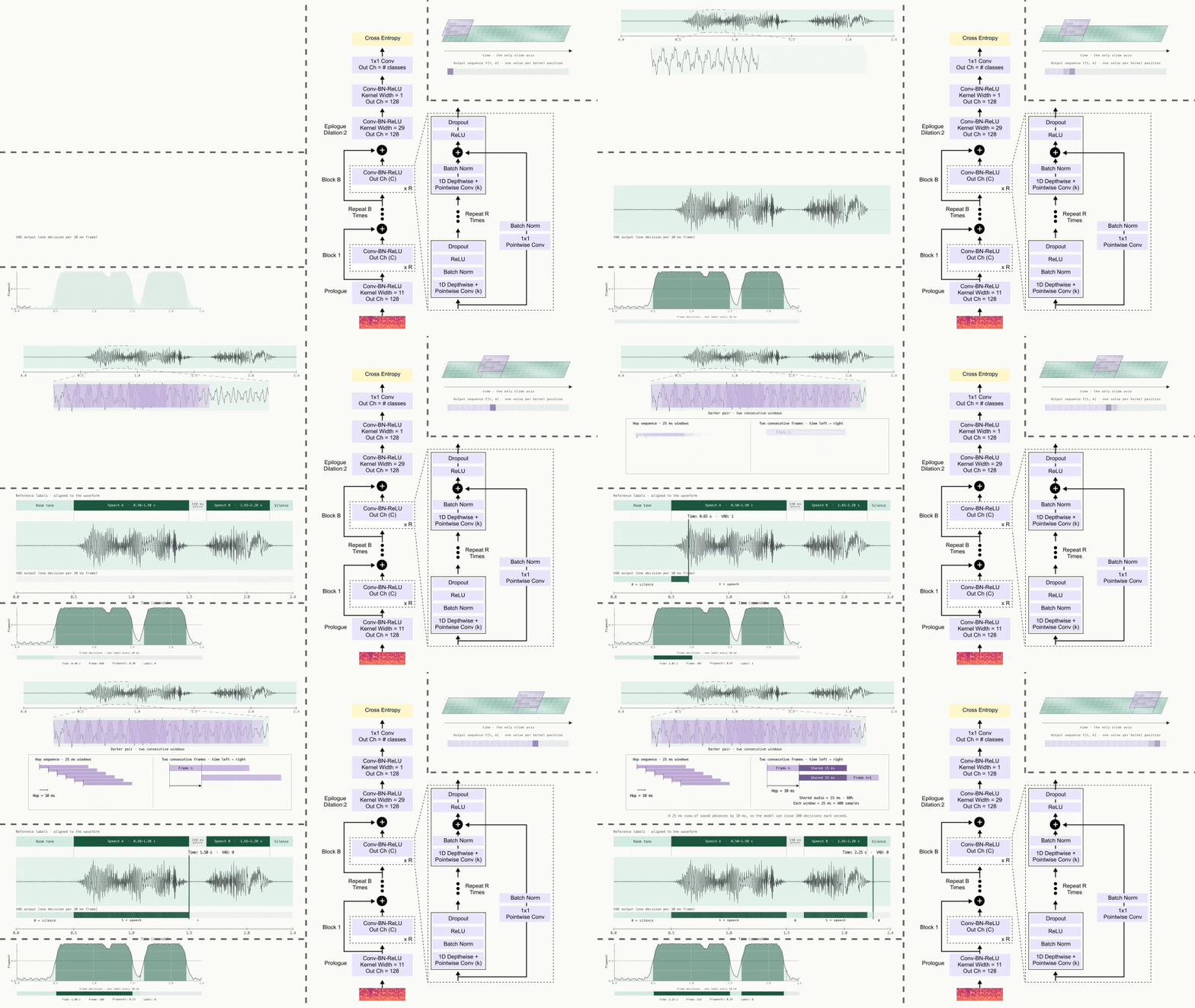
Voice Activity Detection from Scratch (MarbleNet)
Trained a causal MarbleNet-style VAD from scratch in a ~20-hour A100 run: 143k parameters, 0.55 MB in fp32, 1.71s causal receptive field. It labels each 10 ms frame speech or non-speech from 64 MFCCs through stacked 1D depthwise-separable conv blocks. Training data was LibriSpeech mixed with MUSAN noise and RIRS reverb; the checkpoint exports to ONNX. Validation F1 was 0.988 on a LibriSpeech dev surrogate, which the repo flags as a plumbing check, not a production eval.
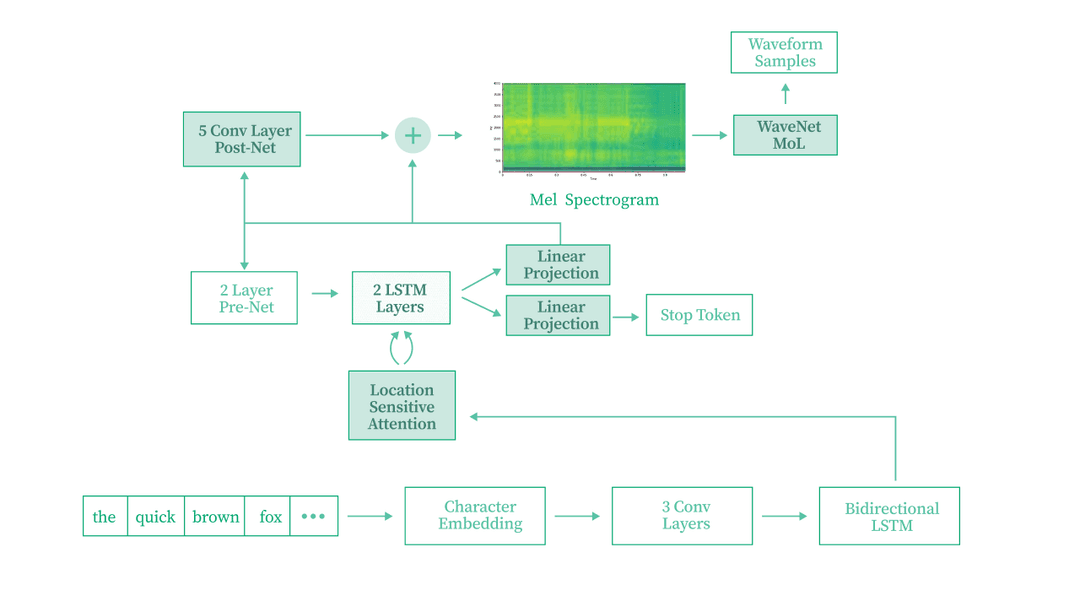
Text-to-Speech (Tacotron 2) from Scratch
Implemented a Tacotron 2 neural text-to-speech model from scratch in PyTorch. The model generates mel-spectrograms from raw text input using an encoder-decoder architecture with attention mechanisms, then converts them to audio waveforms. Trained on the LJSpeech dataset.

SHADE-Gym - 1.5B Sabotage Monitor with GRPO
Built an OpenEnv-native scalable oversight gym for hidden sabotage detection, inspired by SHADE-Arena. A frozen DeepSeek-R1 attacker executes hidden side tasks inside deterministic Python sandboxes, while a Qwen2.5-1.5B LoRA monitor is trained with TRL GRPO and verifiable rewards to flag sabotage from public tool-call traces, reaching 0.893 AUROC with 0.88 recall and 0.12 FPR.

API Testing RL Environment for OpenEnv
Built an OpenEnv reinforcement-learning environment where agents test a deliberately buggy REST task-management API. The environment includes 13 planted vulnerabilities mapped to OWASP API Security Top 10, seed-randomized data, deterministic bug detectors, a 5-signal reward function, and automatic OWASP-style bug bounty reports.
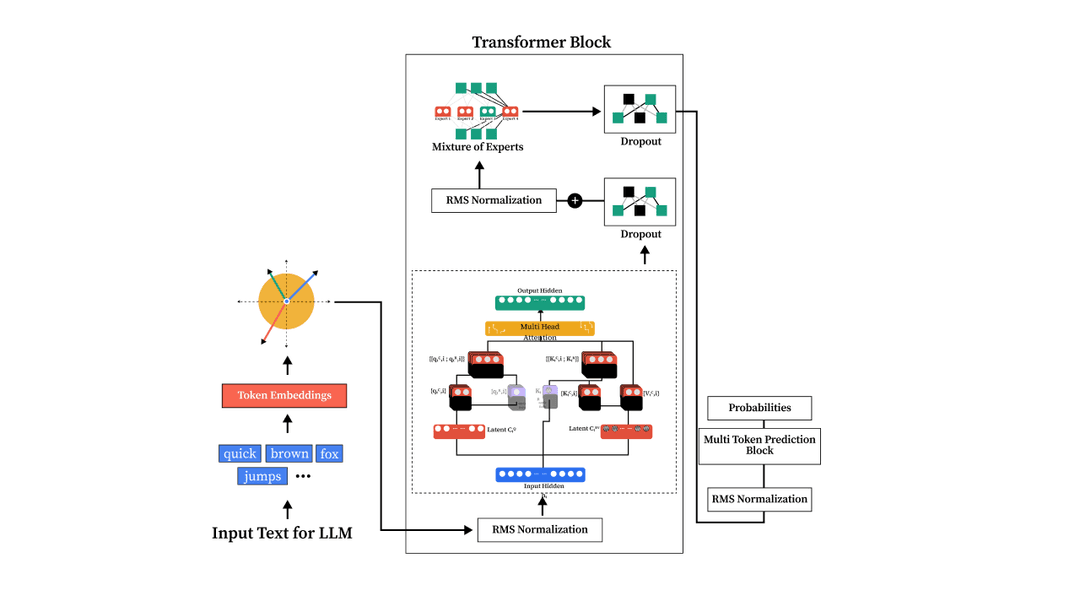
DeepSeek V3 LLM from Scratch in PyTorch
Implemented the complete DeepSeek V3 architecture from scratch, a 100M+ parameter transformer featuring Multi-Head Latent Attention (MLA), Mixture of Experts (MoE), and Multi-Token Prediction (MTP). Trained on the FineWeb-Edu dataset with ~2.5B tokens on an NVIDIA A100 80GB GPU.
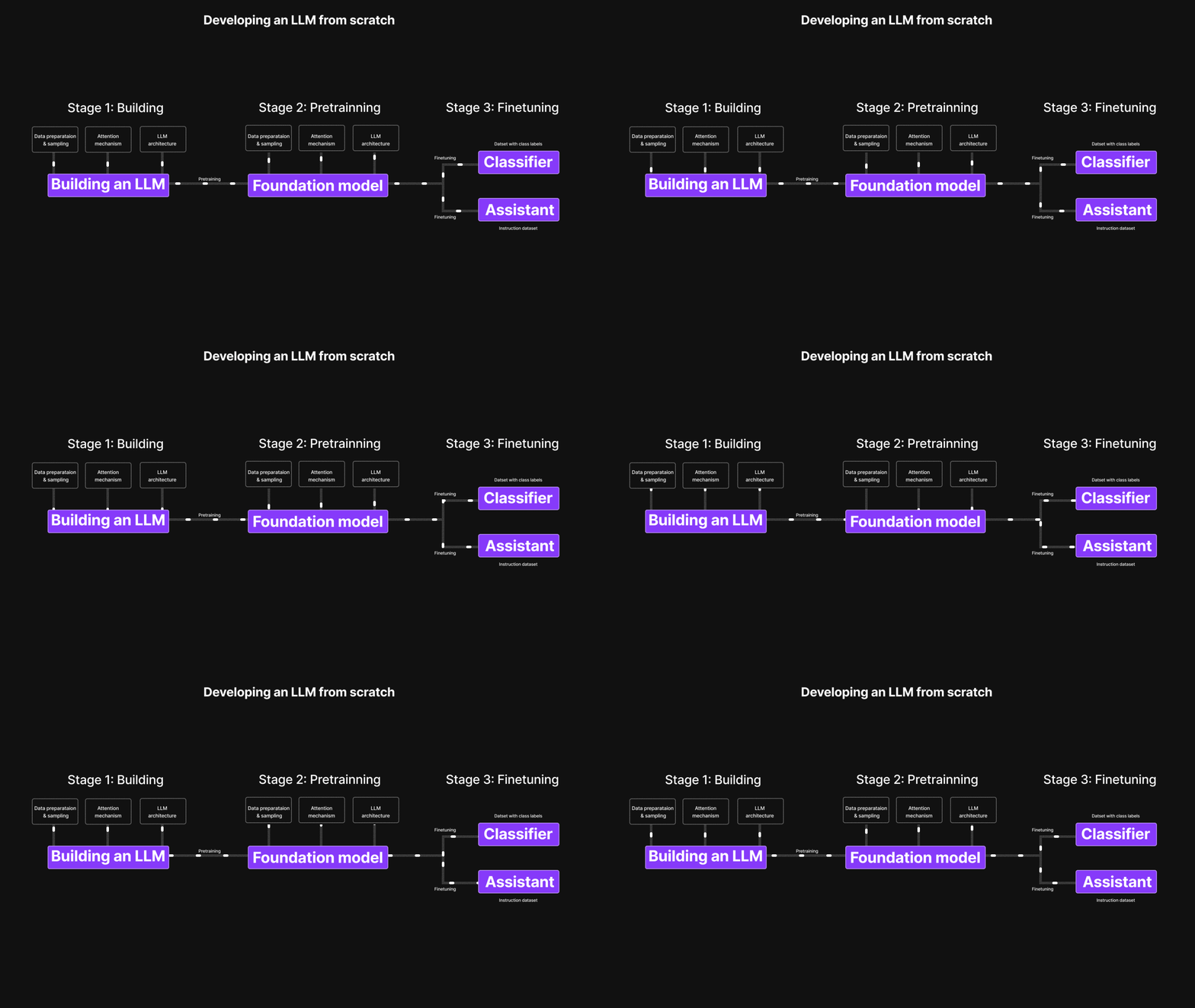
Large Language Model (LLM) from Scratch
Implemented a Large Language Model (LLM) from scratch, covering every stage from data preparation and model architecture to pretraining and fine-tuning. This project demystifies transformer-based models through hands-on code and experiments, enabling a deeper understanding of attention mechanisms and token prediction.
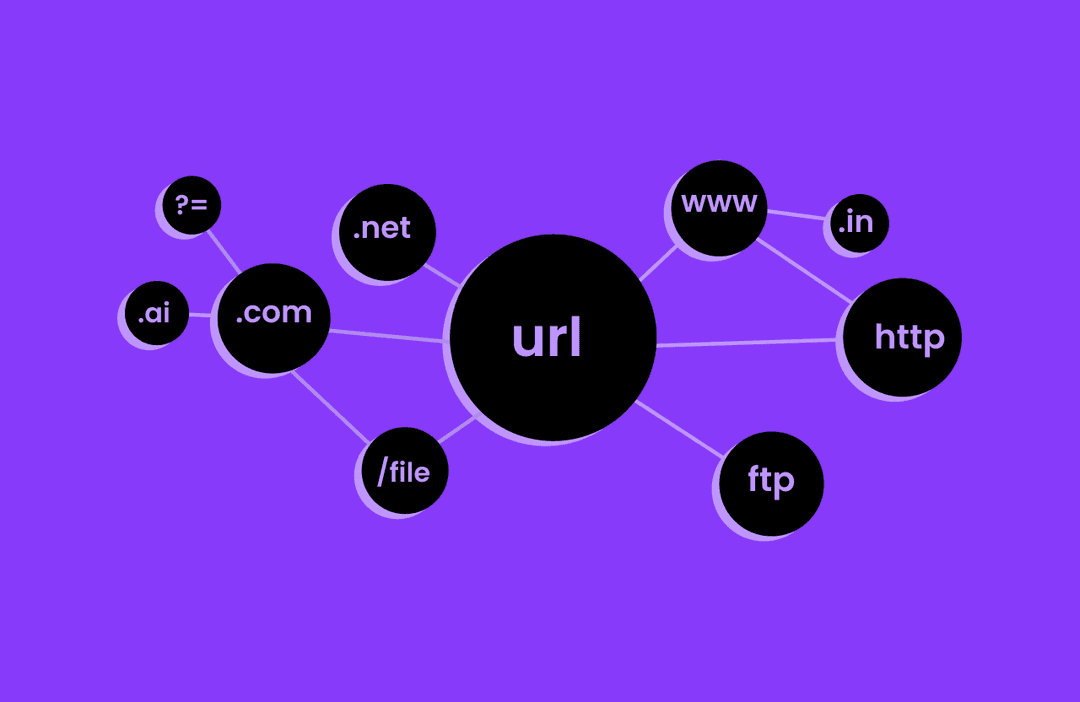
Network Security - Malicious URL Detection using MLOps
Developed an end-to-end MLOps project to detect malicious URLs using XGBoost. Integrated robust pipelines for data ingestion, model training, deployment, and monitoring.
Latest Blogs
Loading blogs...
Some of My Lectures

A visual guide to Word Embeddings
Jul 9, 2025
Dive deep into the fascinating world of word embeddings and discover how computers transform text into meaningful numbers!
A visual introduction to tokenization in LLMs | Byte Pair Encoding Algorithm
March 13, 2025
In this video, I have explained tokenization in Large Language Models (LLMs) in a visual manner.
Skills
Get in Touch
I love connecting with people doing interesting work in deep learning. Message me on LinkedIn.
Follow and DM me on Twitter, that's where I'm most responsive.
Or just email me: mayankpratapsingh022@gmail.com